
Therapy progress doesn’t stop when a session ends. In fact, some of the most meaningful growth happens during everyday routines at home.
The key is connecting therapy goals to moments you already have. Mealtime, play, bath time and car rides all create natural opportunities to build skills. For example, you can model simple language during play, practice fine motor skills like using utensils or buttons during daily routines, or build gross motor skills through activities like climbing, balancing or jumping in the backyard.
Consistency matters more than time. Just five to 10 minutes a day of intentional practice can make a meaningful difference. Keeping routines predictable helps children participate, build confidence and develop independence.
It’s also important to keep it simple. Focus on one or two goals at a time and build them into your day. Small, repeated successes lead to lasting progress.
You don’t have to figure this out alone. Partnering with your therapy team ensures you’re using strategies that fit naturally into your home and daily routines. Your therapist can show you exactly how to use these strategies in real time, so you feel confident continuing them between sessions.
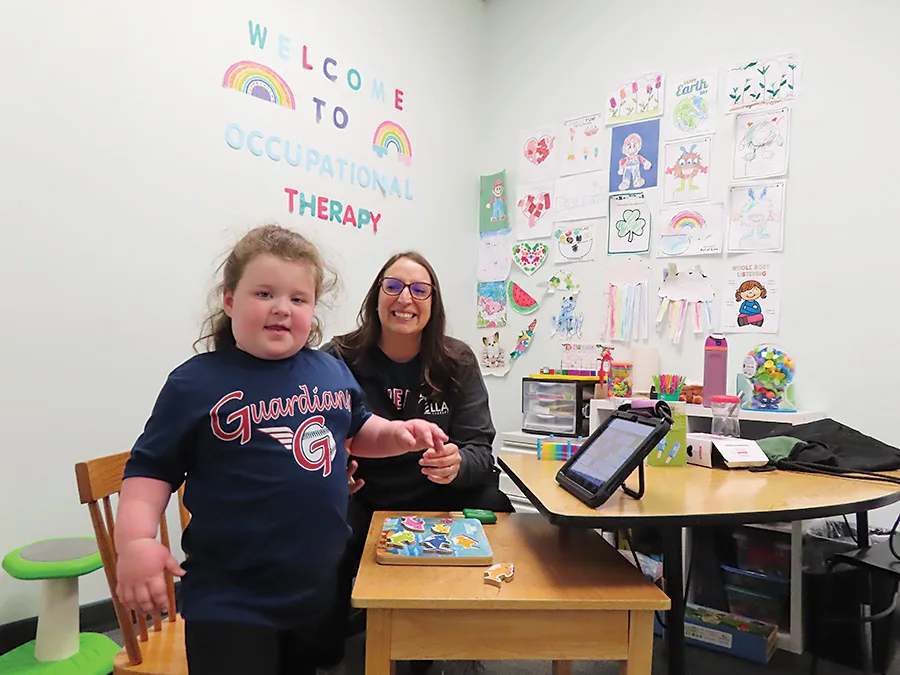
For example, at LLA Therapy, therapists don’t just work with children — they coach families by modeling strategies in real time and providing simple, practical ways to carry skills into everyday routines at home.
LLA Therapy offers speech, occupational, physical, music, reading and ABA services at multiple locations. Learn more at llatherapy.org or follow on social media sites for practical tips and strategies.