
If your child struggles socially, you are not alone — and neither are they. Experts emphasize that social development is a skill that can be strengthened through consistent opportunities, guided interaction and positive reinforcement.
With the right support, encouragement and opportunities, children can build confidence, develop meaningful friendships and experience the joy of belonging.
Parents can help by encouraging shared-interest activities, practicing conversation skills at home, and creating low-pressure opportunities for social interaction.
Structured social programs can be especially beneficial because they provide routine, support and peer engagement in a welcoming environment. Families should seek out welcoming programs to create opportunities for connection so your child grows socially and emotionally in ways that will benefit them for years to come.
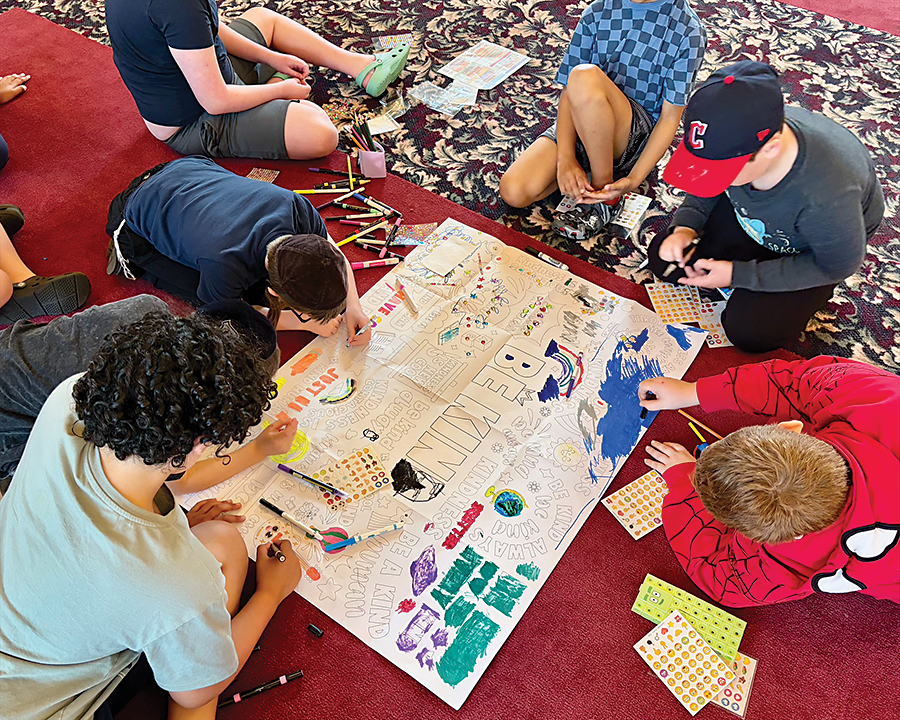
For example, organizations like Friendship Circle help create inclusive spaces where children and teens can develop friendships naturally through fun recreational, educational and community-based programs including day camps, plus weekend and after-school activities.
Parents can find peer mentorship or small group activities that allow participants to practice communication, teamwork and confidence while feeling accepted for who they are.
For families, the goal is not simply increasing social interaction, but helping children build genuine connections and a sense of belonging.
With patience, encouragement and the right support systems, children with social needs can develop meaningful relationships that positively impact their emotional well-being, confidence and independence for years to come.
Every child deserves the chance to feel included, valued and connected.